RETHINKING POPULISM
Call for Papers
15 November 2023
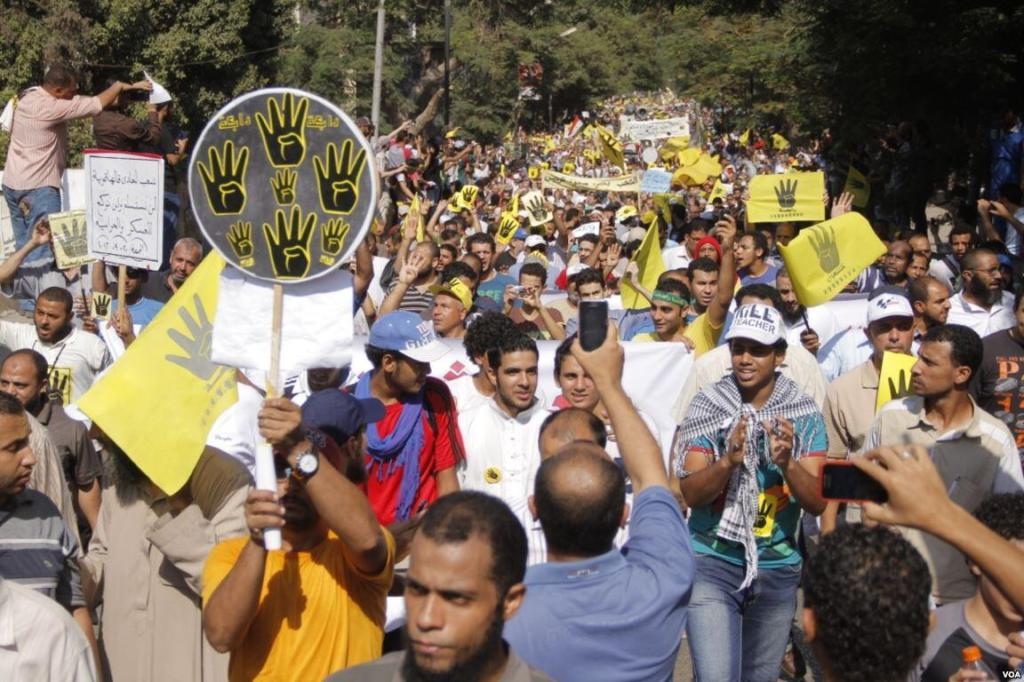
With a few exceptions, the social movement literature has adopted different approaches for mobilizations that emerge in the “West” or, more broadly, “non-Muslim societies” and movement politics that unfold in the “Middle East” or the broader “Muslim world”. This divide separating the study of populism from that of forms of politics that use the idiom of Islam, however tentatively, has reified the notion of Islam. It has provided a key narrative and vocabulary revolving around the notion of Islamism that reproduces notions of Middle Eastern/Muslim exceptionalism. As such, it hinders a more productive discussion around the similarities and differences of protest politics that evoke and mobilize “the people” as a political subject desiring and seeking to bring about political change in Muslim – and non-Muslim-majority societies and the potential cross-fertilization between the different oeuvres.
Acknowledging the importance of dialogic practices and of new approaches to researching both Islamist and populist movements, #RethinkingPopulism invites papers that can contribute to the transgression of the epistemic boundaries that underlie research on plebeian or populist mobilizations and politics on the one hand, and explorations of “Islamist” politics and movements on the other.
Indicative questions we would hope to address are
- how can we expand our understanding of the formation of various plebeian, populist and Islamist political milieus?
- how can we approach populist and Islamist discourses and imaginaries and their cognitive, emotive and affective dimensions, including rethinking the distinction between rational and irrational politics?
- what types of imagination of self and other, or of leadership do such movements engender?
- how are femininity and masculinity/hyper-masculinity constructed and operationalized by populist and Islamist movements?
- what discursive, performative and action repertoires are developed by such movements and what are their underlying logics? Are any of these specific to Islamist mobilizations only or can we identify similarities/affinities?
Our intention is to foster interdisciplinary discussion around various theoretical approaches and to bring together academic works that seek to offer fresh perspectives which cross-fertilize and advance our discussions of populism and Islamism.
We look forward to receiving expressions of interest in the form of short abstracts or 3000-word papers with a theoretical, comparative or case-specific focus. Submissions should be sent here.

This article is published under a Creative Commons Attribution-NonCommercial 4.0 International licence.
 Rethinking populism